Targeted microorganism detection with molecularly imprinted polymer biosensor
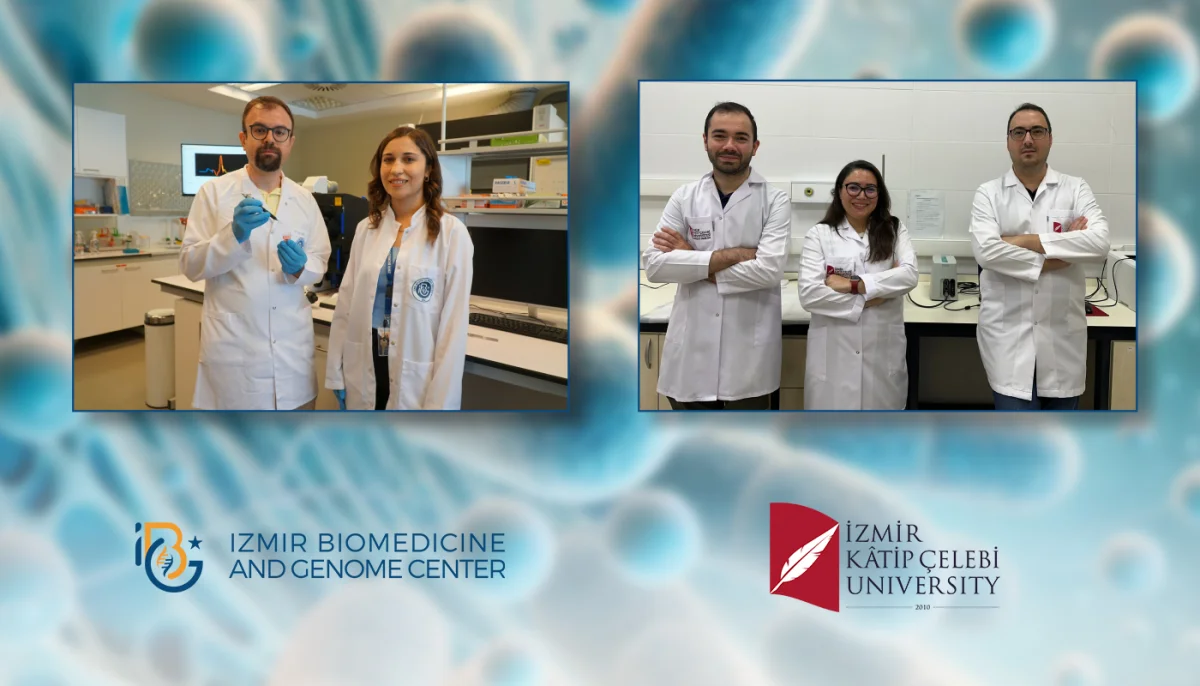
The MIP-based electrochemical biosensor developed by Dr. Arif Engin Çetin and Fatma Kurul from the İzmir Biomedicine and Genome Center (IBG), together with Prof. Dr. Seda Nur Topkaya Çetin, Dr. Lecturer Yamaç Tekintaş, and Research Assistant Dr. Hüseyin Oğuzhan Kaya from İzmir Katip Çelebi University (İKÇÜ), stands out with its ability to detect Enterococcus faecium with high sensitivity in real urine samples and to distinguish it from other bacteria. The rapid and accurate detection of this bacterial species, which is particularly responsible for urinary tract infections, is of great importance in terms of infection control.
When incubated with Enterococcus faecium, the sensor can detect even the smallest amounts of the bacteria by monitoring impedance changes. With a detection limit of 9 CFU/mL, this sensor successfully identifies Enterococcus faecium at low concentrations, making a significant contribution to enhancing the speed and accuracy of clinical diagnostic processes. Thus, biosensor technologies once again demonstrate their potential in the field of infection control.